
Retinal Detachment Surgery and Treatment in Singapore

What Is Retinal Detachment?
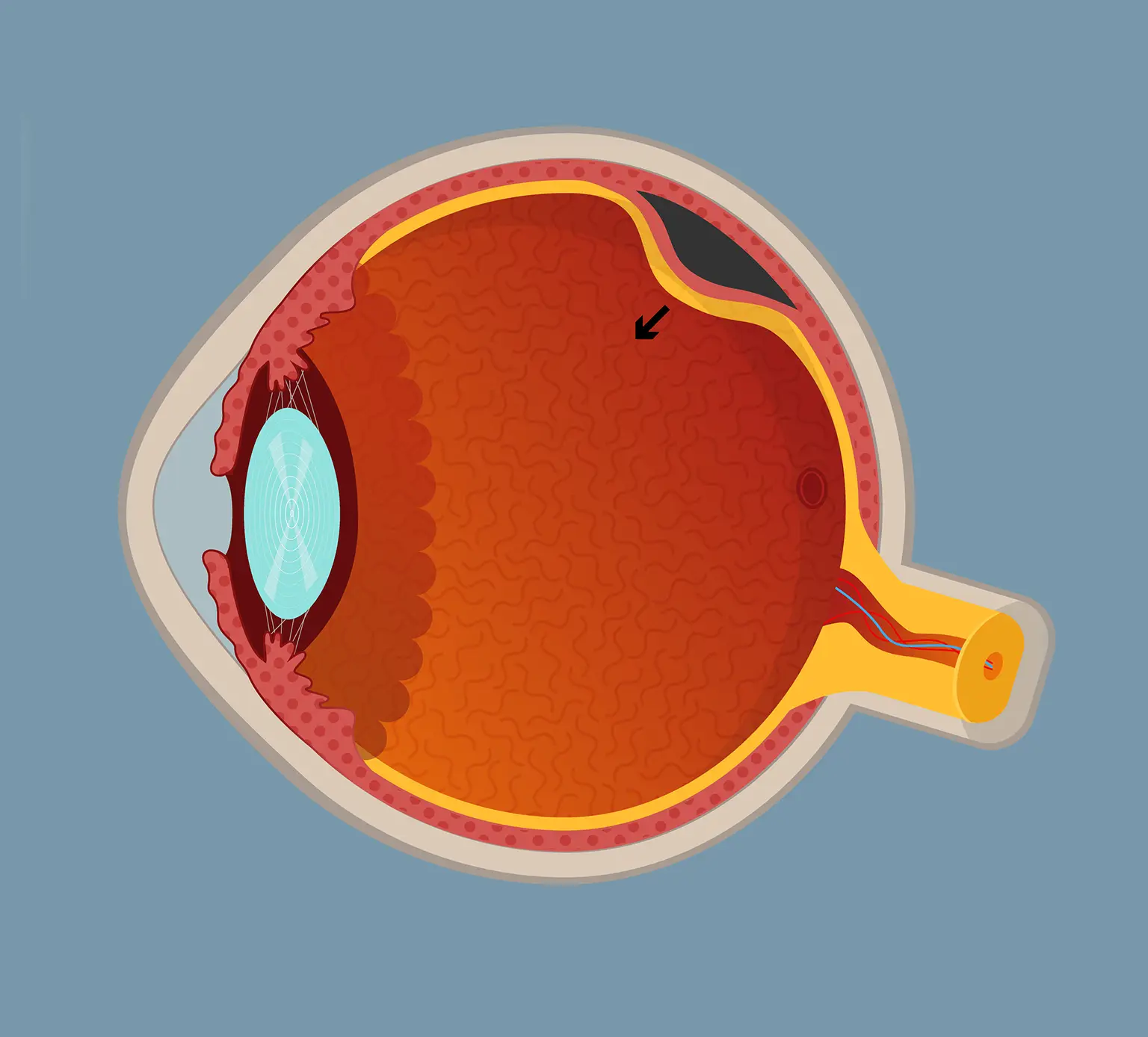
Retinal detachment occurs when your retina — the light-sensitive tissue at the back of your eye — separates from the layer that provides it with oxygen and nutrients. Without prompt treatment, it can lead to permanent vision loss and may require retinal detachment surgery to repair.
There are three main types of retinal detachment, each with different underlying causes:
Rhegmatogenous Retinal Detachment
This occurs when a hole or tear forms in your retina, allowing fluid to pass through and collect underneath. As you age, the vitreous gel inside your eye naturally shrinks and may pull away from the retina, creating small tears that can lead to detachment.
Tractional Retinal Detachment
This occurs when scar tissue forms on the surface of your retina and pulls it away from the back of the eye. This type of retinal detachment is more common if you have diabetes that isn’t well controlled, particularly if it has already affected the blood vessels in your eyes.
Exudative Retinal Detachment
Unlike the other types of retinal detachment, this occurs without any holes or tears. Instead, fluid builds up beneath the retina due to age-related macular degeneration, severe inflammation, infections, or tumours.
Understanding the exact condition you have helps your retinal specialist in Singapore decide on the most appropriate treatment plan.
Retinal Detachment Symptoms
Retinal detachment often develops quickly, and you won’t feel pain when it happens. But you may notice sudden and unusual changes in how you see, like:
Flashes of light in one or both eyes.
New floaters, or small spots or strands, drifting across your vision.
A shadow or “curtain” effect that moves across your field of vision.
Distorted or blurred vision that doesn’t clear with blinking.
Loss of peripheral (side) vision.
Watery or wavy vision, as if looking through a film of water.
Risk Factors
You may face a higher risk of retinal detachment if you have:
- A family history of retinal detachment, or if your other eye has been affected before.
- Severe myopia (short-sightedness), which makes your retina thinner and more fragile.
- Previous eye injuries or trauma, even from accidents years ago.
- Retinal tears or lattice degeneration, conditions that weaken the retina’s structure.
- Older age (typically over 40 years old), when natural changes in the eye increase risk.
- Posterior vitreous detachment (PVD), where the gel inside your eye separates from the retina and may create tears.
Why Early Diagnosis is Crucial
When it comes to retinal detachment, timing makes all the difference. If you ignore early symptoms, the retina may detach completely, making treatment more complex and increasing the likelihood of permanent vision loss.
Regular eye exams play an important role in prevention. Even if you don’t notice symptoms, your retinal specialist can detect subtle changes before they become serious.
By seeking care early, you give yourself a chance to avoid urgent retinal detachment surgery.
Diagnosis of Retinal Conditions
Early and accurate diagnosis allows your retinal specialist in Singapore to decide on the most effective treatment.
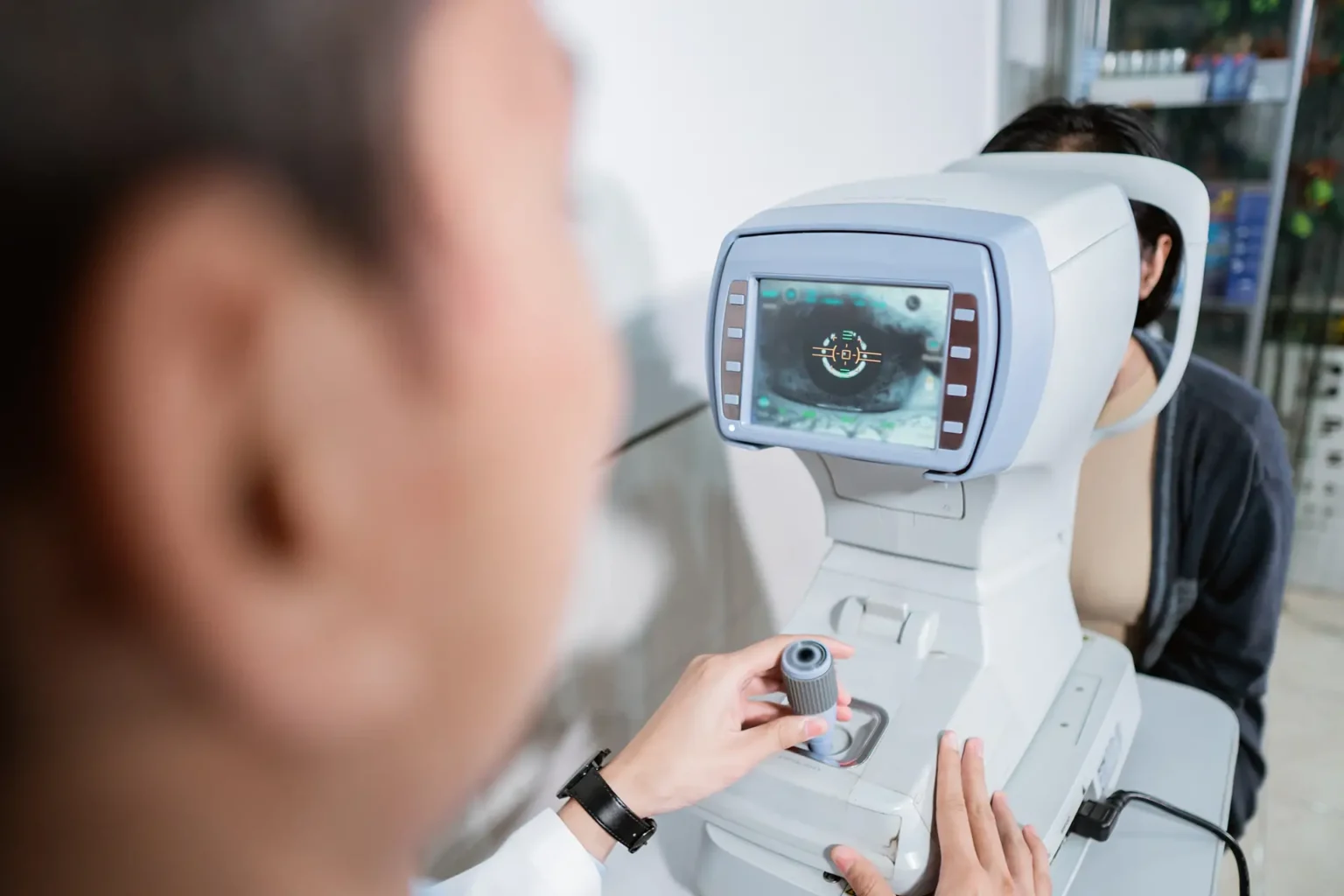
A comprehensive eye exam often includes:
- Dilated Eye Examination: Your pupils are widened with eye drops so the retina can be examined thoroughly.
- Optical Coherence Tomography (OCT): A painless imaging test that provides high-resolution scans of your retina, helping detect even small changes.
In some cases, further tests may be necessary:
- Ultrasound Imaging: Used if the view of your retina is blocked, for example, by bleeding in the eye.
- Retinal Angiography: A dye-based test that highlights blood flow in the retina and identifies abnormalities in more complex cases.
Retinal Detachment Surgery
The goal of retinal detachment surgery is to reattach the retina to its proper position and restore as much vision as possible. The exact approach depends on the type and severity of detachment, as well as your overall eye health.
Surgical Techniques
There are several procedures your retinal specialist may recommend:
- Vitrectomy: This is the most common approach, where the vitreous gel inside your eye is removed and replaced with a gas bubble or silicone oil to hold the retina in place as it heals.
- Scleral Buckling: A small silicone band is placed around the outside of your eye to gently press the wall of the eye against the detached retina.
- Pneumatic Retinopexy: A gas bubble is injected into the eye, pushing the retina back into position. This is usually recommended for less complex cases.
Recovery and Post-Surgery Care
After retinal surgery, you may need to position your head in a specific way (such as face-down) to keep the retina in place while it heals.
Vision may take weeks to months to stabilise, and some patients require more than one procedure for complete repair.
Follow-up visits are essential, as your specialist will monitor healing, check for complications, and guide you on when you can return to normal activities.
Most importantly, successful outcomes rely on timely treatment and close follow-up with your care team.
By working closely with your retinal specialist in Singapore, you give yourself the best chance of preserving your vision after surgery.
Meet Our Retinal Conditions Specialist

Dr. Wong Chee Wai
MBBS (Singapore), M.Med (OPHTH), FAMS (Ophth)
MCI (Singapore), PHD (UTRECHT)
Senior Consultant | Eye Surgeon
Sub-specialties: Retinal Conditions, Cataracts
Languages: English, Mandarin, Cantonese
Fellowship Trained Specialist
Former Consultant at Singapore National Eye Centre (SNEC)
Former Clinical Lead of the High Myopia Clinic at the Singapore National Eye Centre (SNEC)
Started the Surgical Retina Service at Sengkang Hospital
Former Assistant Professor at the Duke-NUS Medical School
- Dr Wong Chee Wai was awarded 3 gold medals for Best Candidate in Cornea
- and Refractive, Neuro-ophthalmology and Ethics in the Eye Specialists’ Exit exam
- Research Training Fellowship Award, National Medical Research Council (2017)
Dr Wong obtained his Bachelor in Medicine and Surgery (MBBS) from the National University of Singapore. He completed his Basic and Advanced Specialist Training in Ophthalmology at the Singapore National Eye Centre, obtaining his Master of Medicine (Ophthalmology) qualification from NUS in 2012.
In 2015, he received his specialist accreditation as a Fellow of the Academy of Medicine, Singapore (FAMS) as the top candidate in the Specialist Exit examination in Ophthalmology, where he was awarded 3 gold medals for Best Candidate in Cornea and Refractive, Ethics as well as Neuro-ophthalmology. After having obtained his specialist accreditation, he also successfully completed his Vitreoretinal subspecialty fellowship training for both Medical and Surgical Retina at the Singapore National Eye Centre
Dr Wong is also an accomplished researcher, having published more than 60 research articles and holds several research grants in the field of myopia and ocular drug delivery.
Dr Wong has been awarded multiple accolades for his research work, including travel grants, prizes at international ophthalmology conferences and the SingHealth Publish Award in 2015. He also completed the Master’s in Clinical Investigation with NUS in 2015, a PhD in ocular drug delivery with Utrecht University in 2021.
Dr Wong has contributed significantly to training and education in the ophthalmology field, including serving as committee member in the 2nd Asia Pacific Tele-Ophthalmology Society Congress in 2018, 32nd Congress of the Asia Pacific Academy of Ophthalmology in 2017, the 29th Singapore-Malaysia joint meeting in Ophthalmology in 2014 and the Asia Pacific Association of Cataract and Refractive Surgeons Meeting in 2013. He has been invited to present lectures at international and regional meetings in India, Korea, Hong Kong, Taiwan, China, Malaysia, Thailand and Indonesia. He has also served as Instructor for a course on retina conditions at the American Academy of Ophthalmology Annual meeting in 2016, and
He also served as SNEC’s deputy director of undergraduate education since 2018 and was the program director of the Duke NUS graduate medical school’s ophthalmology program.
Dr Wong is also actively involved in the local ophthalmology community as a committee member of the Singapore Society of Ophthalmologists since 2013, and the Chair of the Singapore Society of Ophthalmologists Young Ophthalmologist’s Chapter since January 2020. As part of an ongoing effort to deliver eyecare to underprivileged communities in Singapore, Chee Wai and his team have screened more than 3000 low income elderly patients, performed free cataract surgery and helped many of them regain useful vision. These efforts have received media coverage, awards and recognition from national agencies. He has also been invited to international and regional meetings to speak on Singapore’s community outreach efforts and experience in building the Young Ophthalmologists community. His efforts have been recognized at the regional level, having been appointed to the Asia Pacific Academy of Ophthalmology’s Young Ophthalmology Standing Committee in September 2020. He is also an active member of the Asia Pacific Young Ophthalmologists, a group comprising of YO leaders from the Asia Pacific Region.
Frequently Asked Questions About Retinal Conditions
What is retinal detachment, and what causes it?
Retinal detachment occurs when the retina separates from its supporting layers, often due to ageing, trauma, or eye diseases.
What are the warning signs of retinal detachment?
Warning signs include sudden, constant flashes of light, increased floaters, and a shadow over your visual field.
How is retinal detachment diagnosed?
Diagnosis involves a comprehensive eye exam, including dilated retinal examination, OCT imaging, and ultrasound if needed.
What is vitrectomy, and when is it needed?
Vitrectomy is performed to remove the vitreous gel and repair retinal detachment or other vitreoretinal issues.
What happens if retinal detachment is left untreated?
Untreated retinal detachment can lead to permanent vision loss, highlighting the importance of seeking immediate care.
Retinal Care at Asia Pacific Eye Centre
At Asia Pacific Eye Centre, our retinal specialists provide diagnosis and treatment for a wide range of retinal conditions, including retinal tears and retinal detachment.
If you need retinal detachment surgery, you will be guided through the process — from initial assessment to follow-up care — so you know what to expect at each stage. This step-by-step approach helps you make informed decisions and ensures that your care is tailored to your needs.
If you’ve noticed sudden changes in your vision or know you’re at higher risk, schedule an eye exam with us today.
Book a Consultation
Get an eye checkup with us now!
Interested to fix a consult with our eye specialist? Get in touch with us!